The 1920s in color
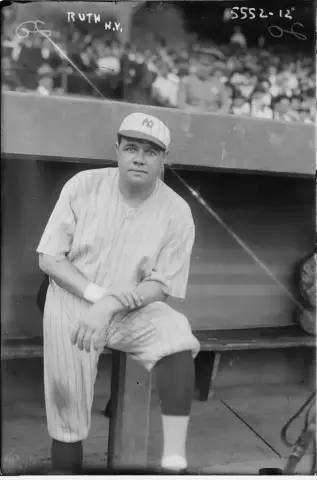
Photographs from the 1920s, restored and in color. Open one to compare it with the Library of Congress scan and read what the catalog record says.
Or just upload the photo: damage, color and sharpness are handled in one pass.
Choose a photo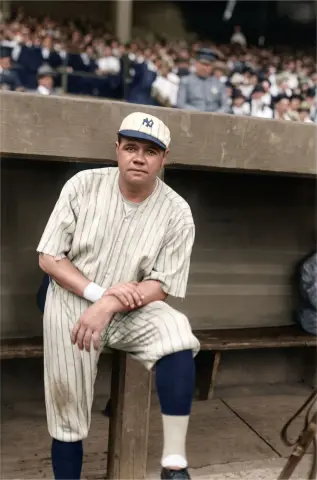

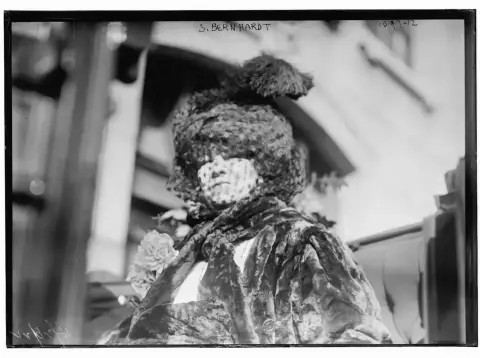

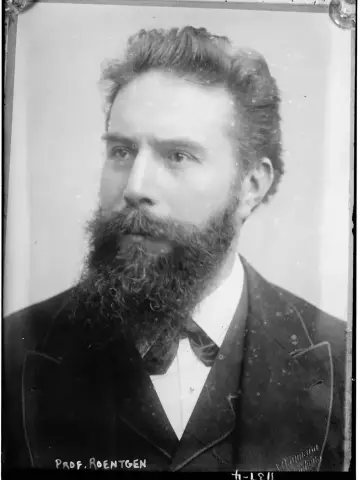
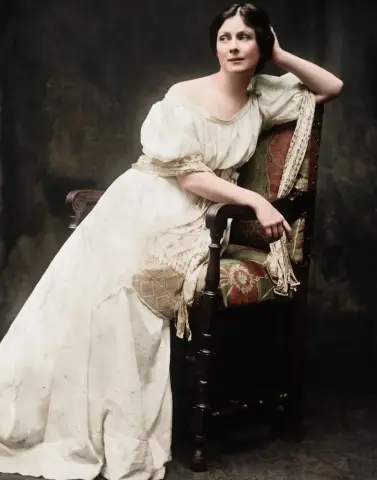
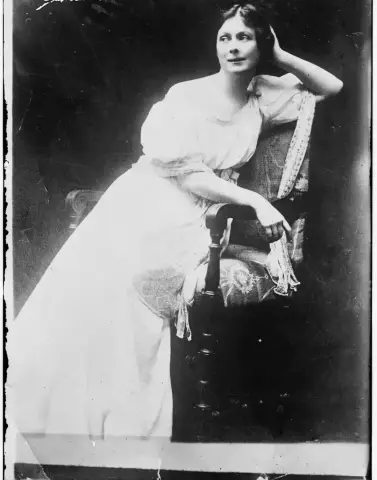
About these photographs
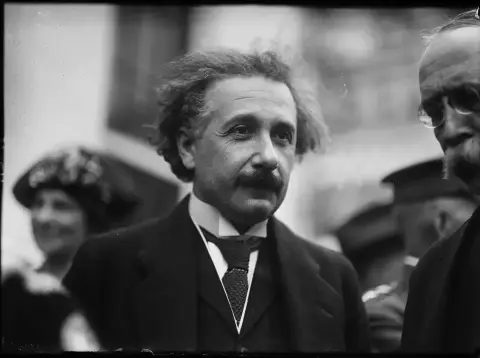
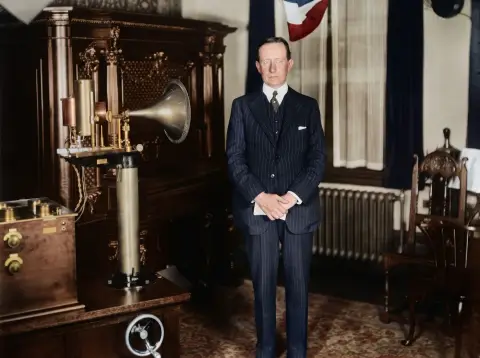
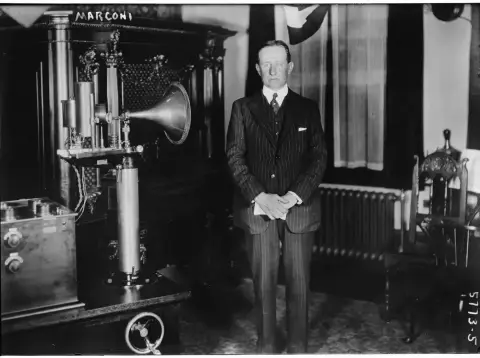
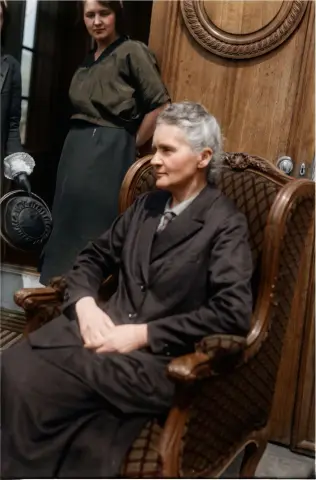
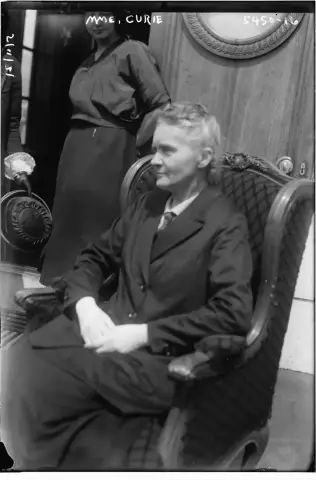
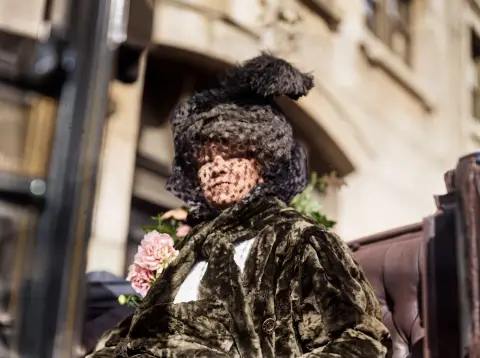
Seven photographs are filed here, in order of date: Babe Ruth, 1921; Albert Einstein, 1921–1923; Guglielmo Marconi, c. 1920–1925; Marie Curie, c. 1920–1925; Sarah Bernhardt, 1922; Wilhelm Röntgen; and Isadora Duncan.
Six are glass negatives in the George Grantham Bain Collection and one is a glass negative in the Harris & Ewing Collection. The catalog names the photographer or studio for two of them: Harris & Ewing (Albert Einstein) and Erwin Hanfstaengl (Wilhelm Röntgen). It lists the Bain News Service as publisher of five of them and names no photographer.
One of these dates carries the catalog’s note “date created or published later by Bain”: the agency’s date may mark when it distributed a picture rather than when it was taken. The catalog gives only a range of years for Albert Einstein, Guglielmo Marconi and Marie Curie; so do the pages, and a range is filed under its middle year. Wilhelm Röntgen and Isadora Duncan have no date in the catalog. These pictures are filed by the year each person died, the latest they can have been taken, so they may be older.
Every page names the collection, the digital file and the rights statement, and links the record. The color in each picture is inferred by the model, and the black-and-white “Restored” view was made from the color result.
How photographs were made in the 1920s
By the 1920s photographers could buy sheet film, sold by Kodak since 1912, and 35 mm roll film, available from 1920. Every original here is still a glass negative.
The Library dates most of the Bain collection from the 1900s to the mid-1920s, so the dated pictures here come from the end of that span. The picture of Albert Einstein comes from the Harris & Ewing Collection: the Library has put more than 41,000 of its glass negatives online, and about 28,000 of the studio’s film negatives have not been digitized.
Questions about photos from the 1920s
Are there real color photos from the 1920s?
Some, on autochrome plates, but color photography stayed uncommon until color film: Kodachrome arrived in 1935. The originals here are black-and-white glass negatives, and every color on these pages was inferred by the model.
Can I restore a family photo from the 1920s like these?
Yes. Upload a scan or a phone photo of the print. A black-and-white photo comes back in color, with the color inferred by the model, and holding the photograph shows your original so you can compare before deciding whether to keep it.
Sources
- Bain News Service photograph collection — Library of Congress, Prints and Photographs Division
- Harris & Ewing Collection — About this Collection — Library of Congress, Prints and Photographs Division
- History of Film Types Timeline — U.S. National Park Service