Examples

Before and after

Drag the line of light across each photograph to compare the damaged print with its restoration.
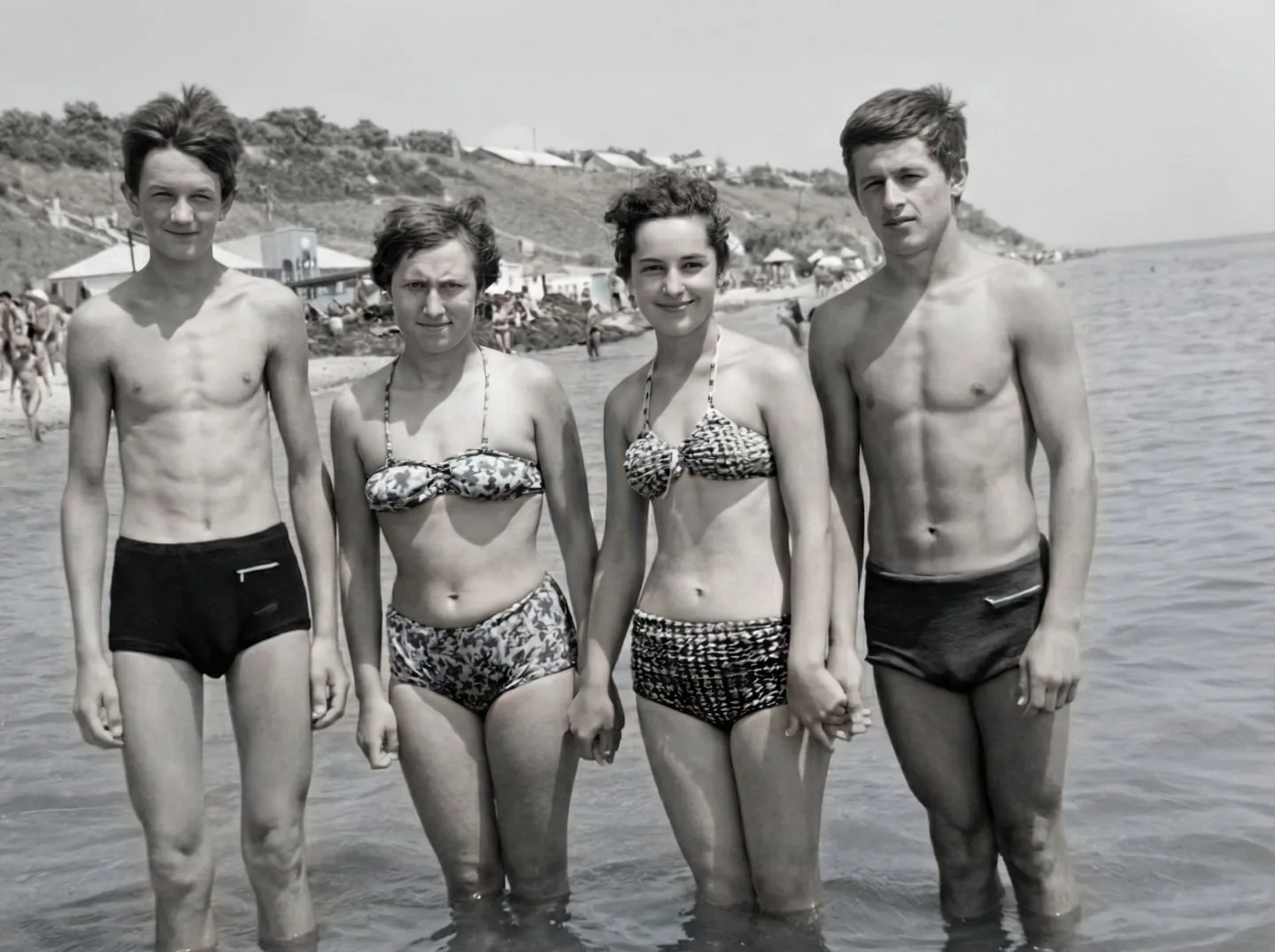
The same beach photograph after restoration — the tear is closed and the staining is gone
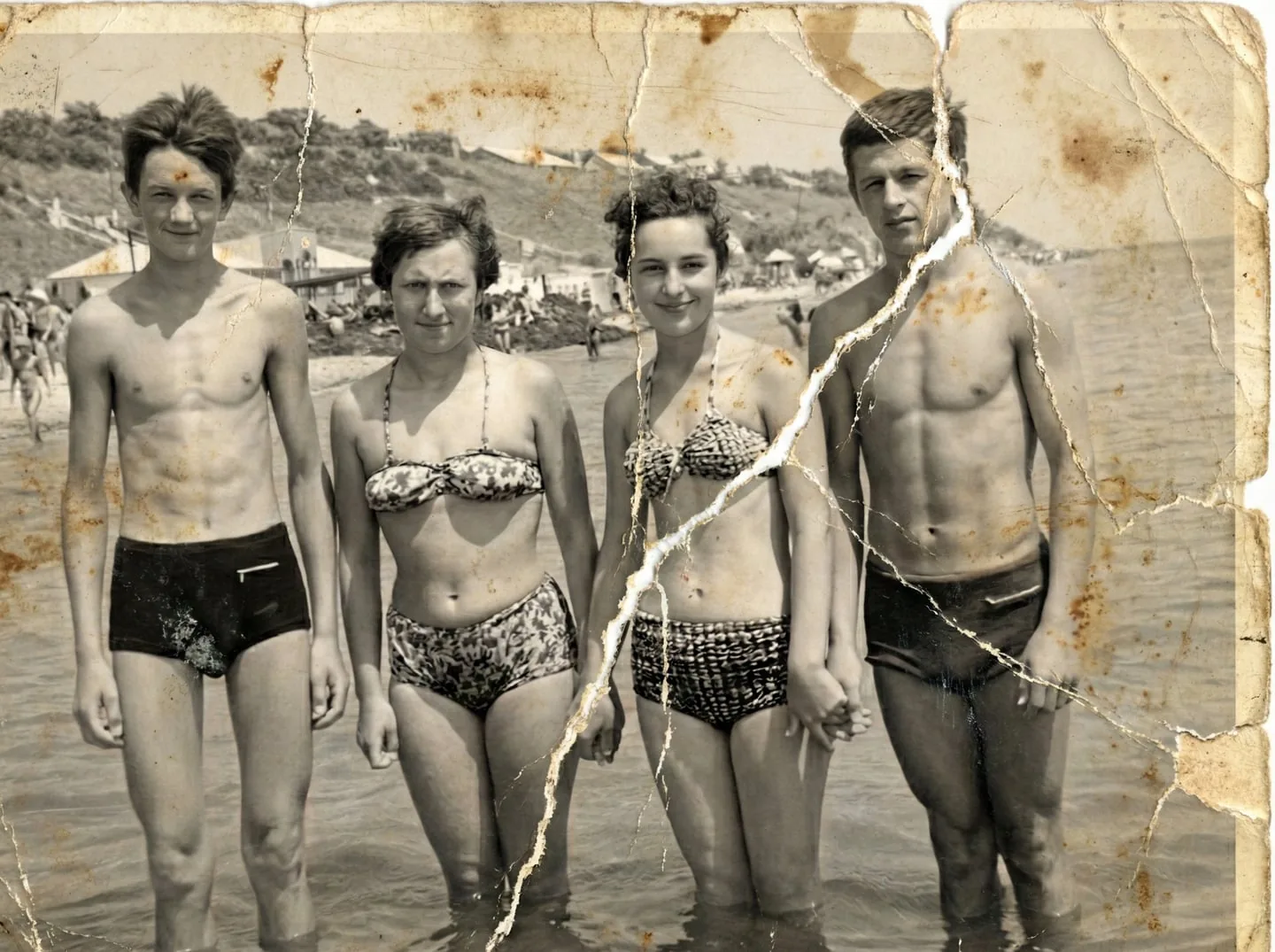
BeforeAfterA group beach photograph before restoration — the print is torn across the middle and covered in brown stains
Group photoTorn and stainedThe print had split along a fold and picked up brown spotting across the sky and the faces. The tear runs through two of the four people, so both had to be rebuilt from what survived on either side of it.
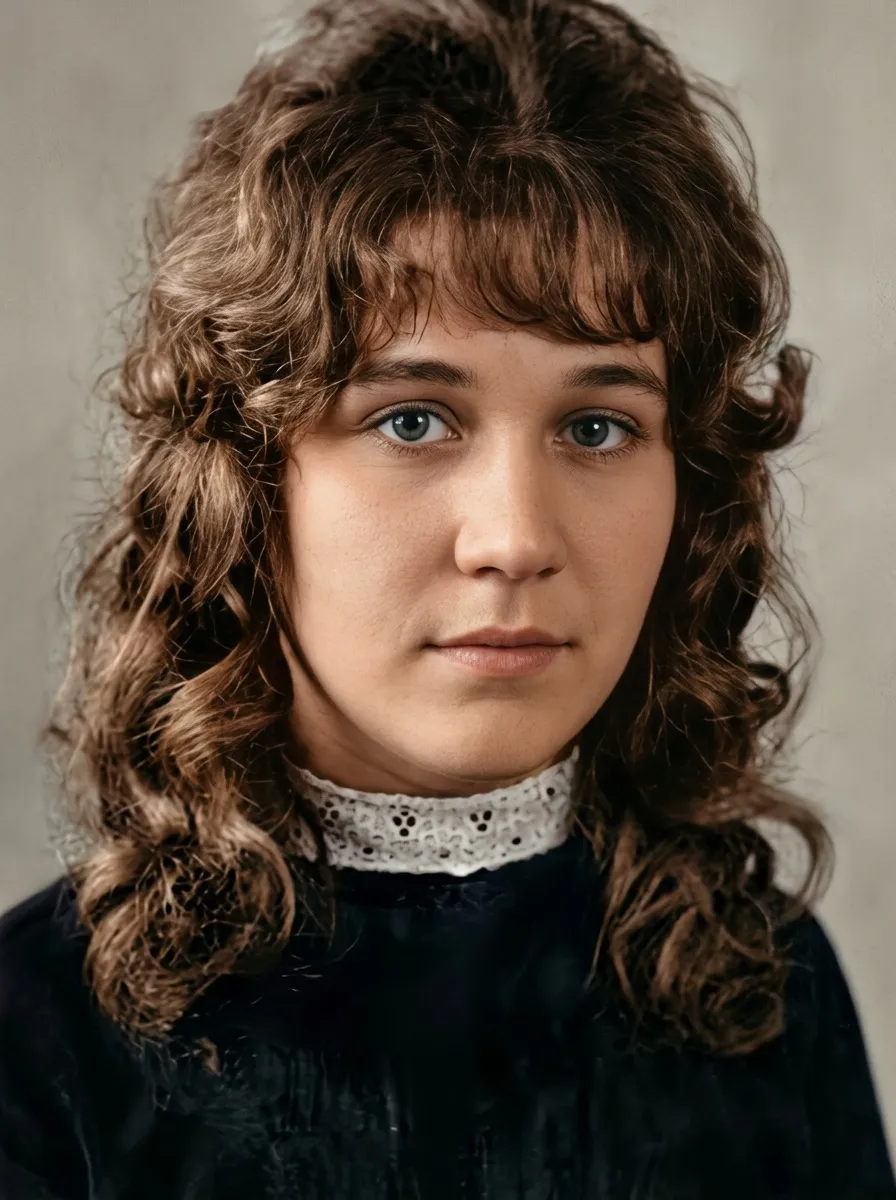
The same portrait restored and in color — the cracks gone, the curls and the lace collar intact
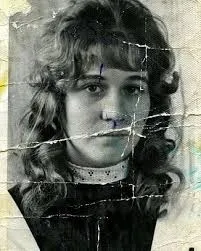
BeforeAfterA young woman with curly hair; the print is split by a lattice of cracks across her face and shoulders
PortraitCracked emulsionThe worst-damaged photograph in this set. Cracks ran through both eyes and across the mouth. What the cracks destroyed was rebuilt from the skin on either side of them — not from a generic face.
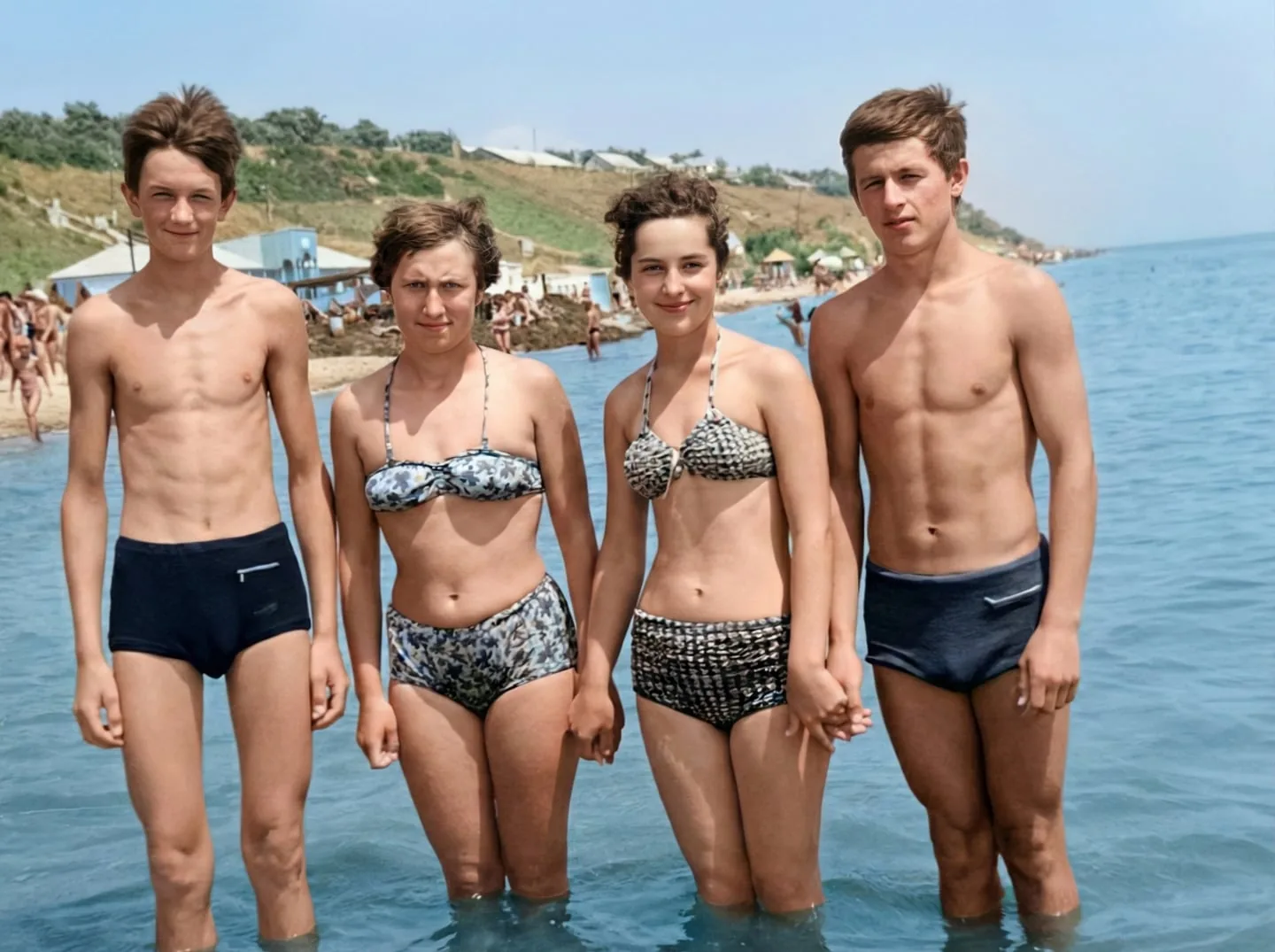
The same beach photograph colorized — skin, water and the hillside in natural tones
BeforeAfterThe restored beach photograph, still black and white
Group photoBlack-and-white to colorThe beach group photograph, colorized after repair. The colors are inferred, not recovered: nothing in a black-and-white negative records what shade those swimsuits actually were.
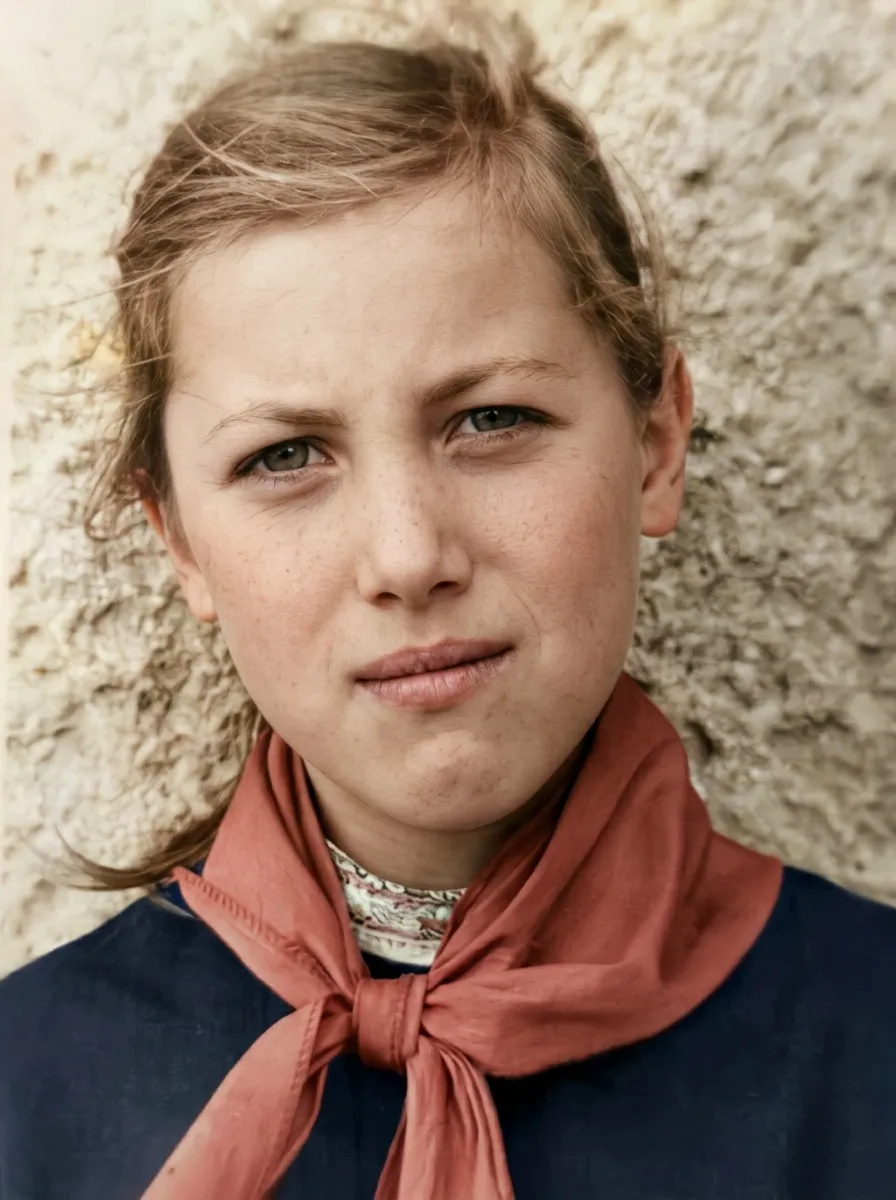
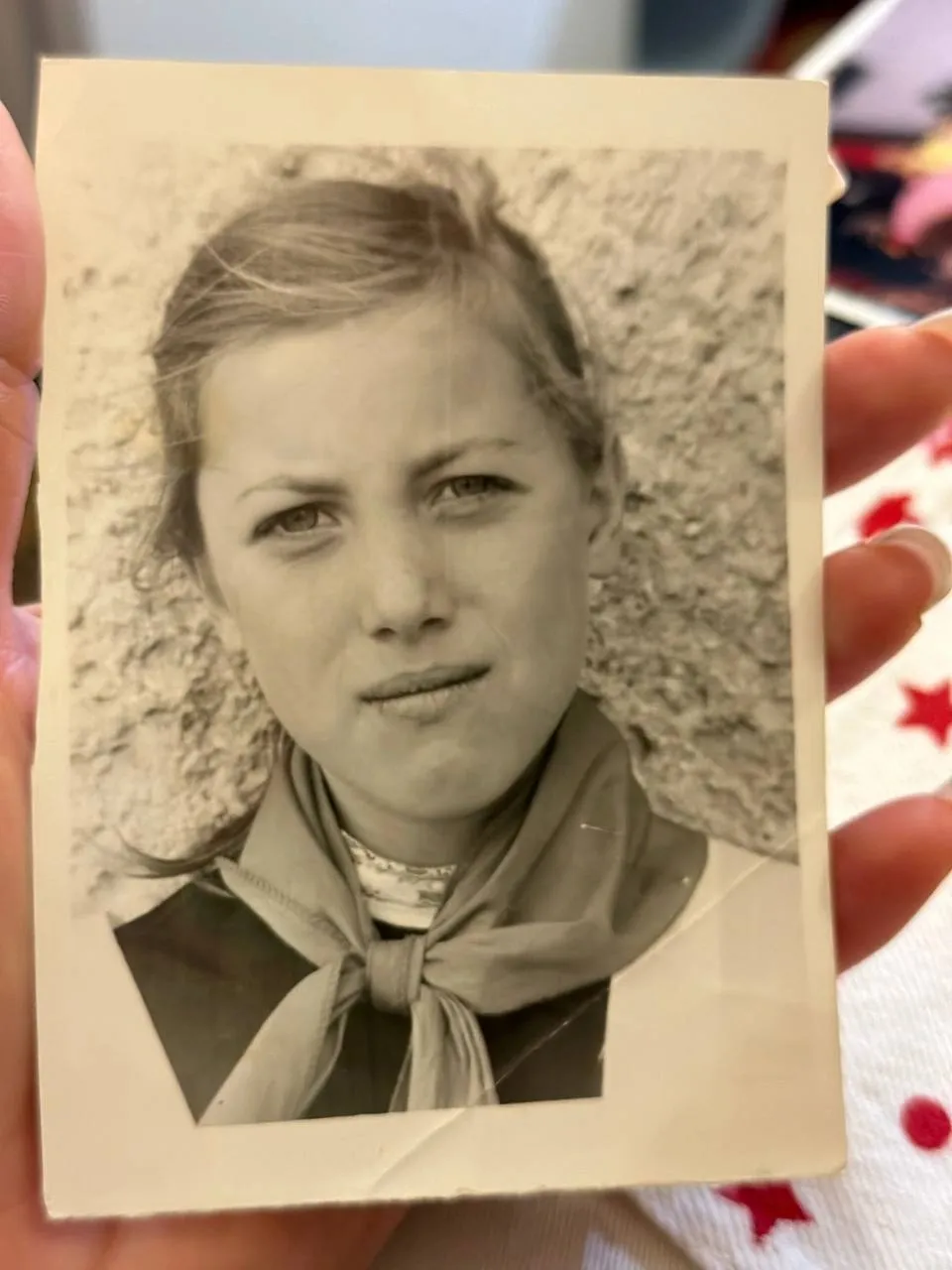
The same photograph in color and freed from the hand — the scarf a soft salmon, freckles across her nose
BeforeAfterA small print held in someone’s fingers, shot against a patterned cloth, the girl’s scarf gray in the monochrome
PortraitPhotographed in the handPhotographed on a phone while held above a tablecloth, fingers and table included. Everything that was not the photograph itself was removed before anything was repaired.
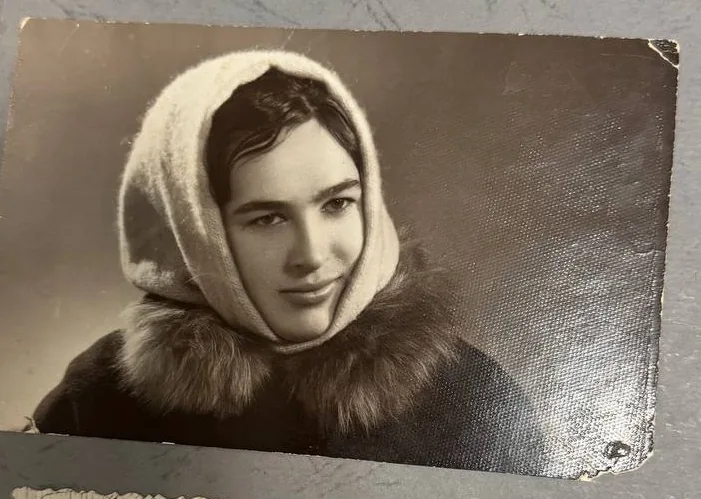
The same portrait straightened, freed from the table and in color — the fur collar and knitted hood in natural tones
BeforeAfterA worn portrait still in its album, photographed with a phone — corners bumped, surface dulled by glare
PortraitPhotographed with a phoneNo scanner involved: this started as a phone photo of an album page, taken at an angle in ordinary room light. The table, the glare and the ragged edges of the print are gone. A phone photo of the print is enough to start from.
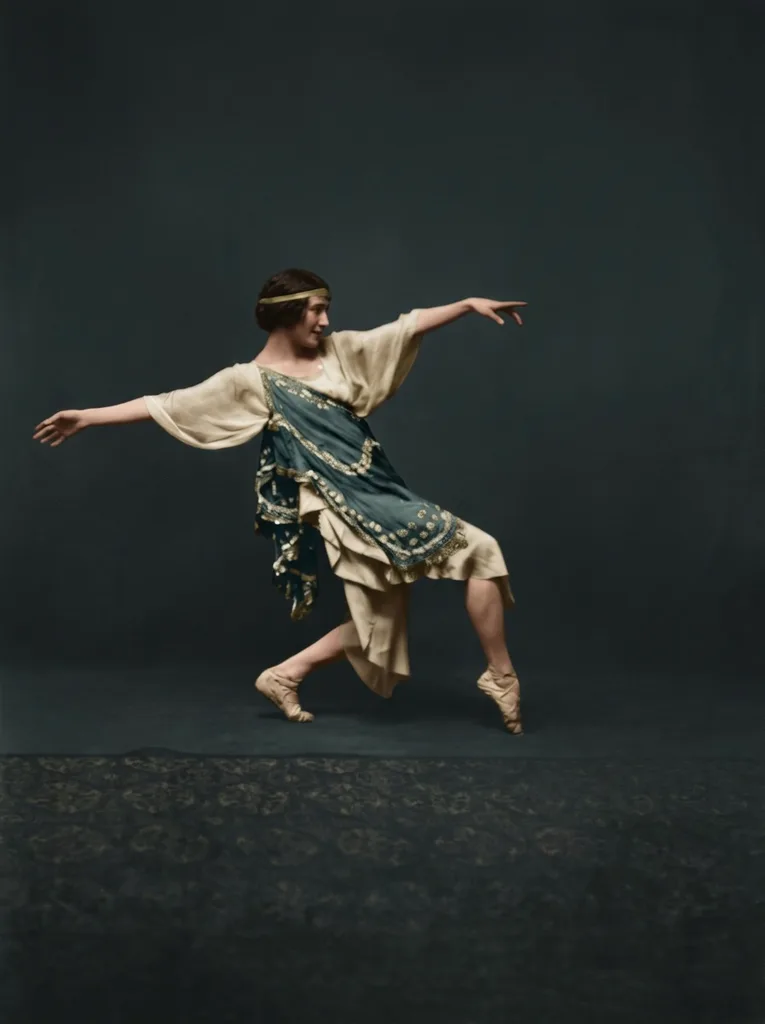
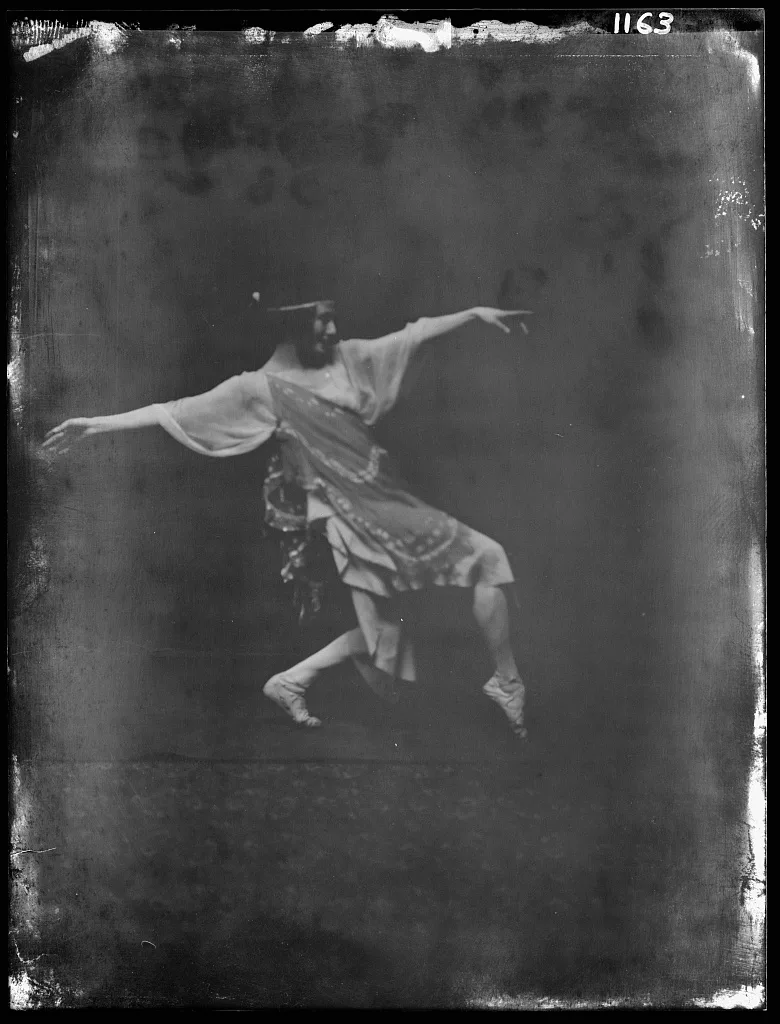
The same photograph restored and in color — the mirroring lifted, the dancer’s costume and the dark studio floor readable again
BeforeAfterAnna Pavlova photographed by Arnold Genthe in 1915, before restoration — the nitrate negative veiled by silver mirroring and stained at the edges
Library of CongressSilver mirroringA nitrate negative from the Genthe collection, veiled by silver mirroring that the Library of Congress itself singles out as an advanced case. The metallic sheen is lifted, the stains at the edges are gone; the softness of a dancer caught mid-movement in 1915 stays. The full story is in the restorations series.
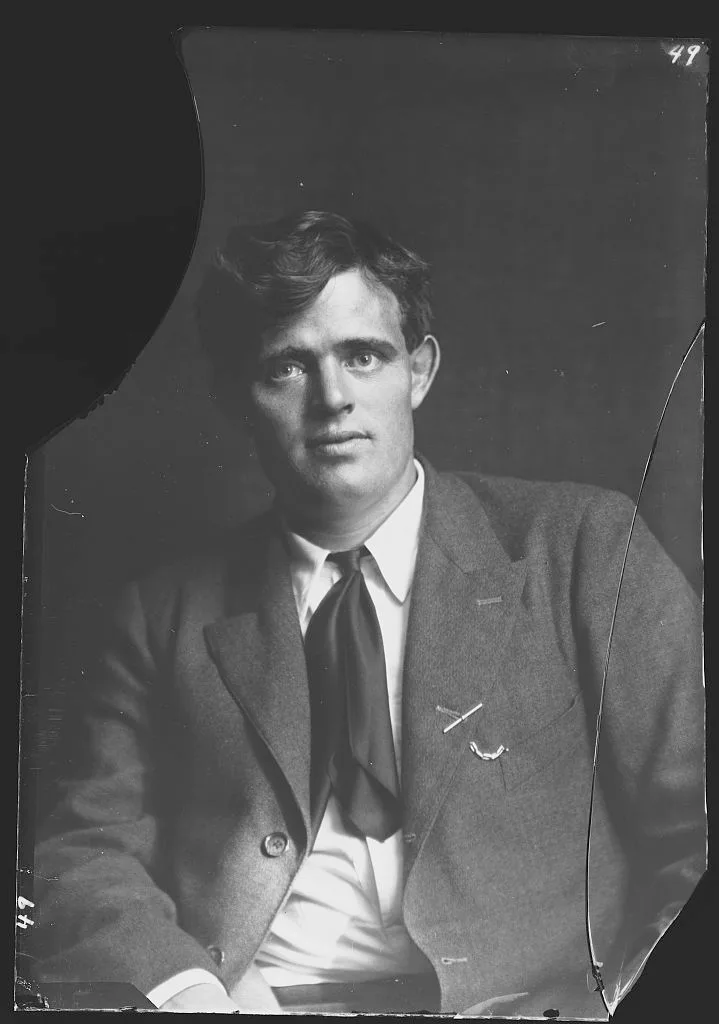
The same portrait restored and in color — the missing corner filled with backdrop, the crack gone
BeforeAfterJack London photographed by Arnold Genthe, before restoration — the glass negative with its upper-left corner broken away and a crack down the right edge
Library of CongressBroken glass negativeThe upper-left corner of this glass plate is physically lost; it is filled with the plain dark studio backdrop. The crack is closed, the archive number on the plate removed, and the small pin on his lapel kept.
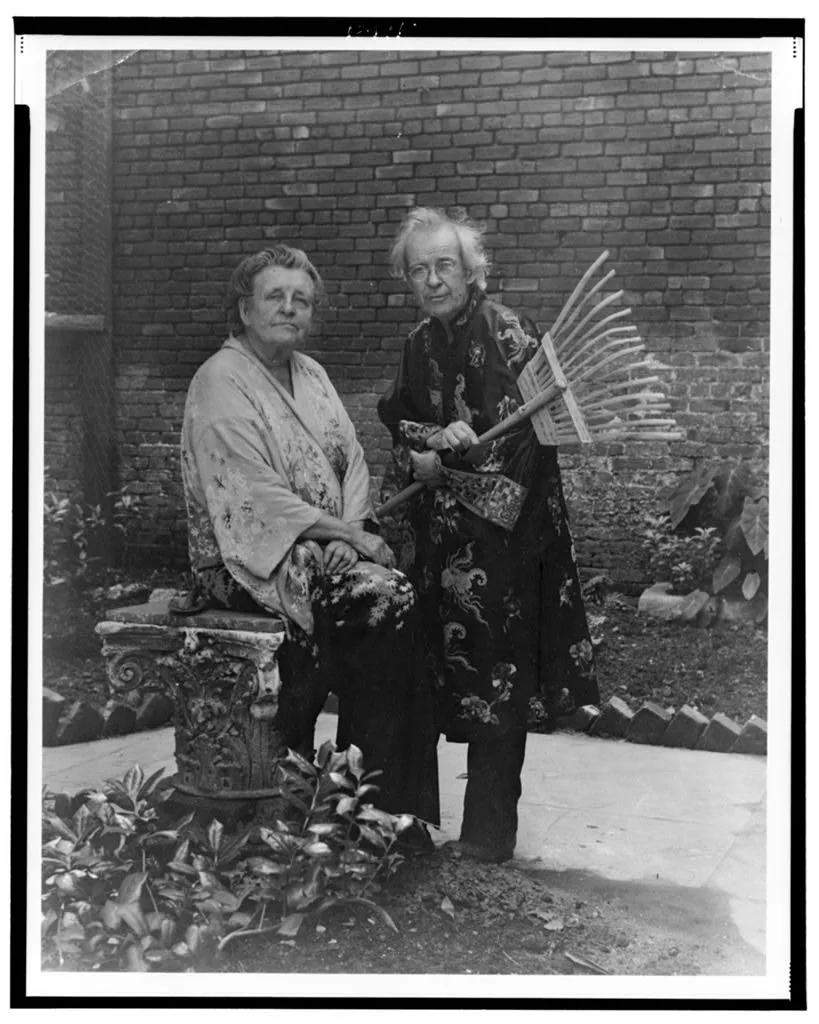
The same photograph restored and in color — dust and speckling lifted, the brick wall and the patterned robes readable
BeforeAfterFrances Benjamin Johnston and Pops Whitesell in a New Orleans garden, before restoration — a dust-marked gelatin silver print on a sheet with a torn edge
Library of CongressDust and a torn sheetTwo photographers in a walled courtyard, on a print whose sheet is torn at the edge. The tear sits in the margin, not the picture, so what the tool returned is the picture cleaned, not the paper mended.
The same portrait restored and in color — the crack gone and the face sharper than the copy print
BeforeAfterAbraham Lincoln photographed by Alexander Gardner in 1865, before restoration — the famous crack running across the top of the copy print
Library of CongressCracked negative, copied into every printThe negative broke in 1865, so every later print carries the crack. Restoration removed it and returned the portrait sharper than this soft copy print, in color.
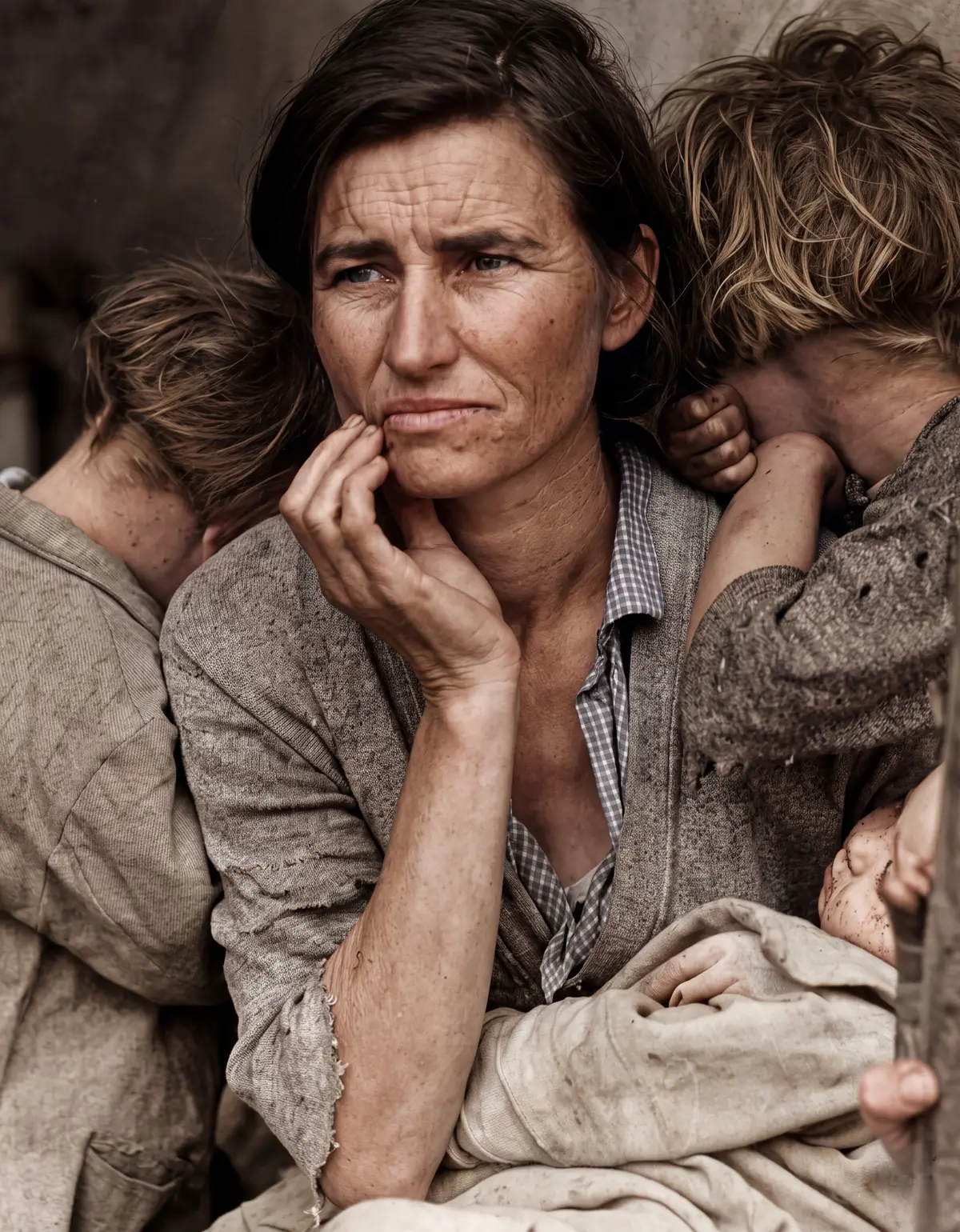
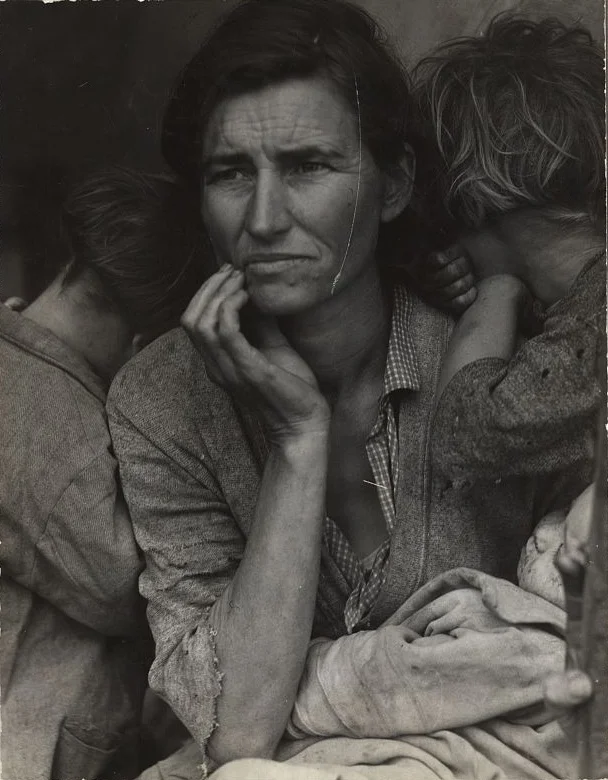
The same photograph restored and in color — the scratch gone and the thumb at the right edge kept
BeforeAfterDorothea Lange’s 1936 photograph of a mother and her children, before restoration — a thin bright scratch running down the mother’s face
Library of CongressScratch across a faceAn unretouched print of Lange’s photograph, scanned before the Library’s conservators treated it: a scratch runs down the mother’s face, and the thumb that was later retouched out of the famous negative is still at the edge. The scratch is gone, the thumb stays, and the photograph comes back in color.
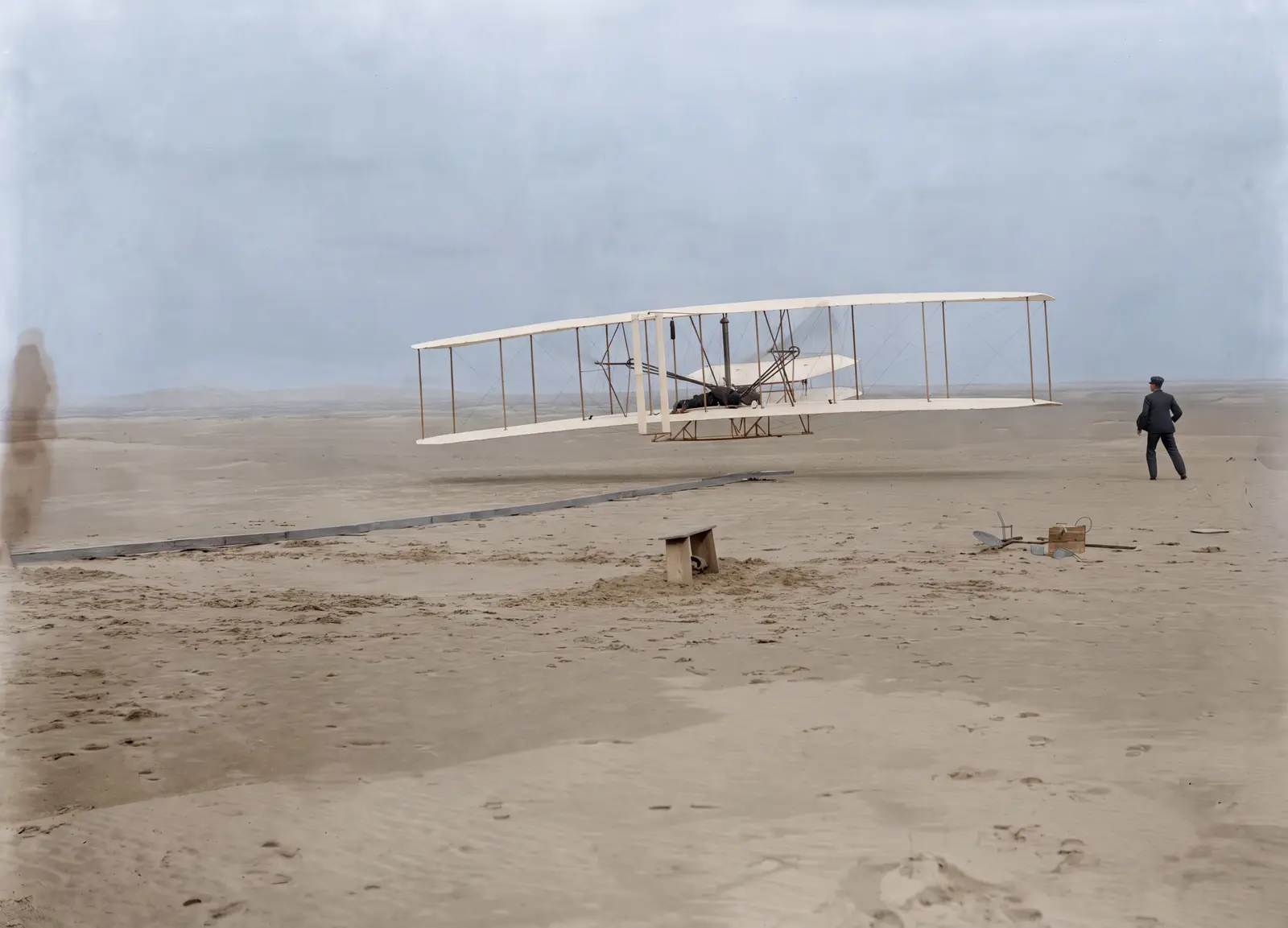
The same photograph restored and in color — the corner filled with sand, the blotches gone
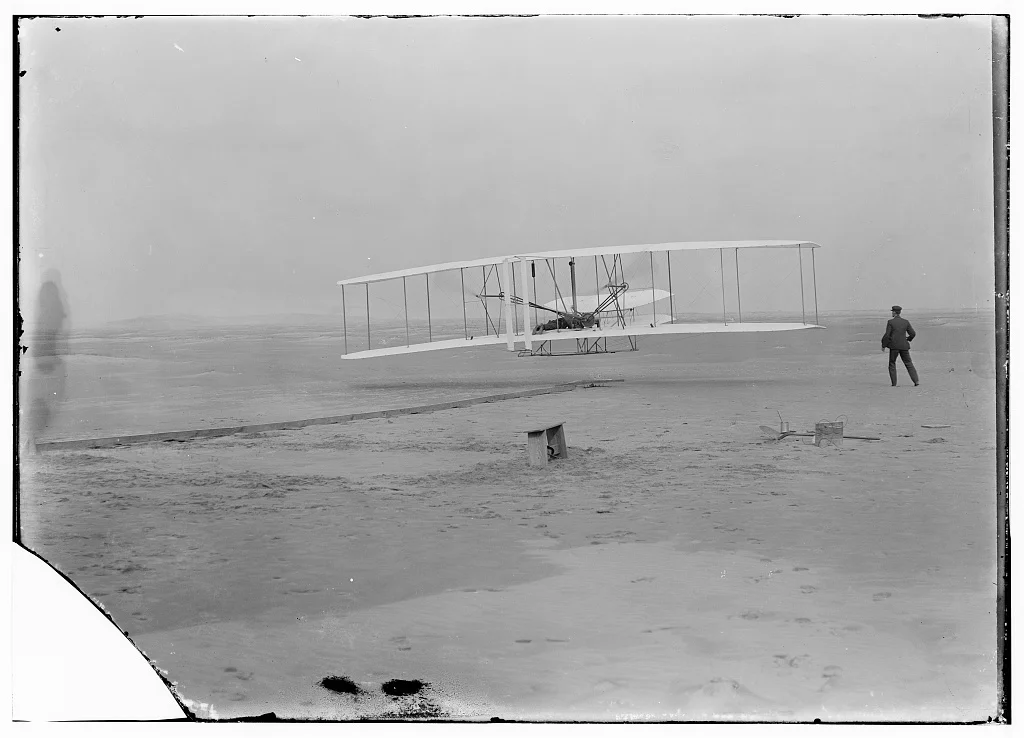
BeforeAfterThe Wright brothers’ first flight at Kitty Hawk, December 17, 1903, before restoration — the glass negative with its lower-left corner broken away and dark blotches along the bottom
Library of CongressBroken glass plate, flood-damaged collectionThe Wrights developed nearly all of their plates in their own darkroom; most of the cracks and blemishes in those negatives came later, from the Dayton flood of 1913. The missing corner is filled with sand and the blotches are gone; the dark shape at the left edge is left in, because the record does not say what it is.

Whose photographs these are

These are our own restorations of photographs we have the right to publish: a few from the family album of the person who runs Epoha, others from an earlier project of his that he has the right to publish, and the Library of Congress pairs, which are public domain and told in full in the restorations series. Photographs uploaded to Epoha are never shown here.

None of the "after" photographs here was retouched by hand. The family and earlier pairs were made with an earlier version of this site’s tool, so a result today can differ in detail. The Library of Congress pairs were made in our lab, with a different setup from the tool on this site.

What to look at, if you are deciding

  • The eyes first — the spacing between them, and where they look. That is where a restoration stops being the same person.
  • The mouth: a closed mouth should stay closed, a half-smile should stay a half-smile.
  • Skin at full size, not thumbnail size. A face can look excellent small and plastic large.
  • The background — objects should not appear, disappear or move.
  • Color on skin first: it is the part that has to look natural.

Your photograph is next.

Upload a scan and see it restored in about a minute.

Free during early access · 2 restorations a day