- What the print shows — An engraving based on Anthony Berger’s photograph of February 9, 1864
- Photograph — Not named in the record
- Date — 1865–1880
- Noticed by the analysis — Specks
- Archive — Library of Congress, LC-DIG-ppmsca-23729
- Restoration — Epoha
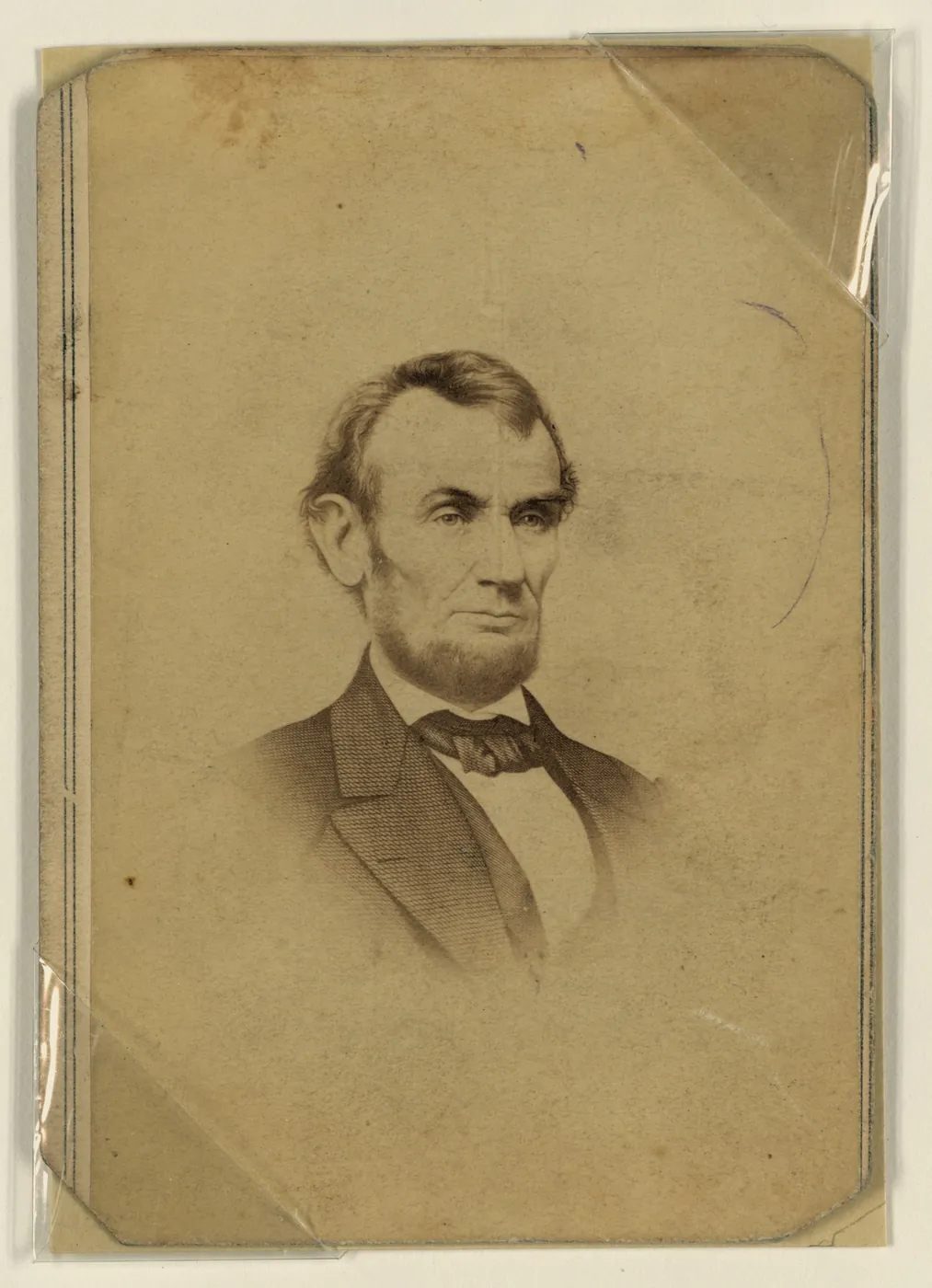
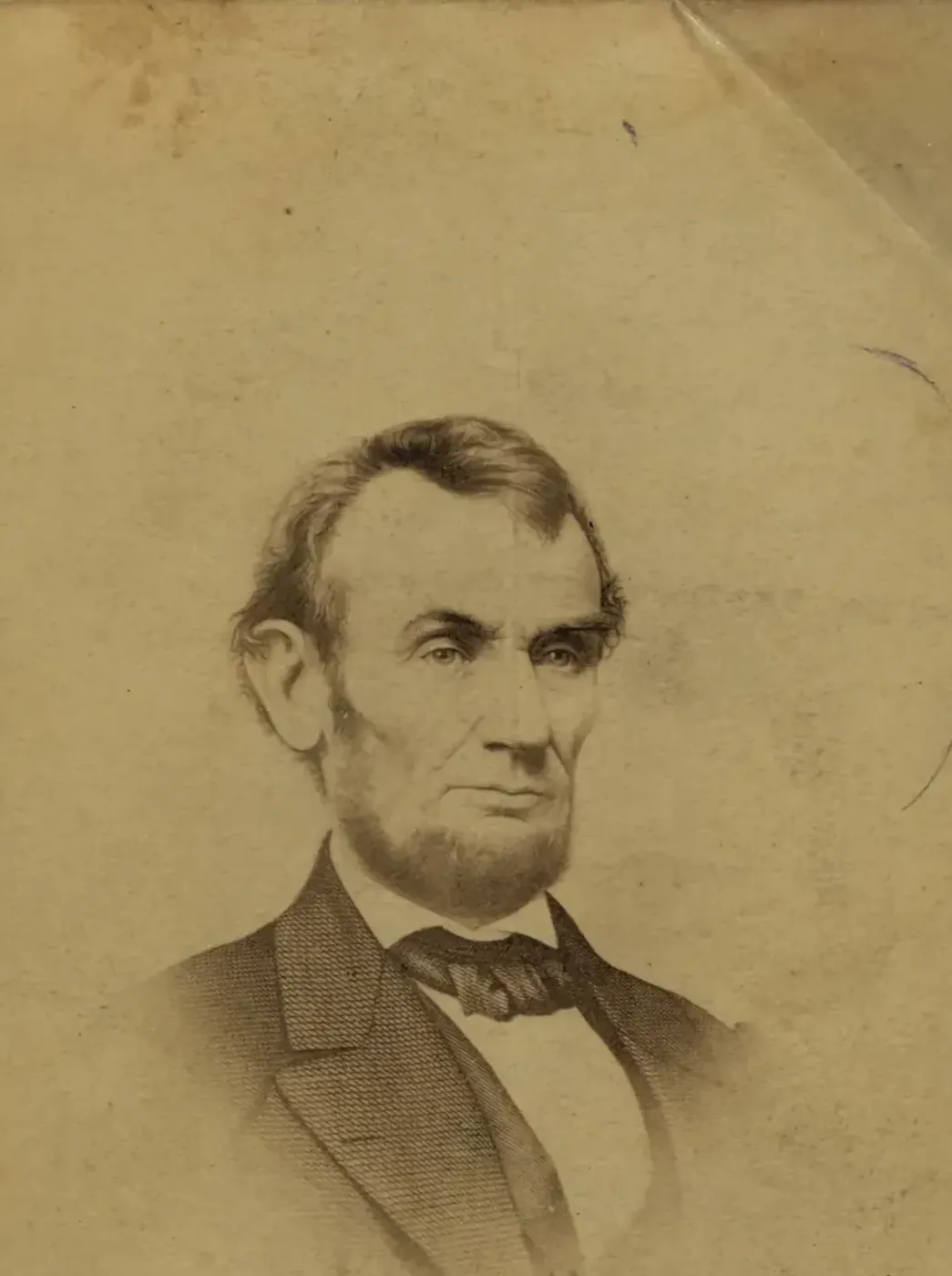
Abraham Lincoln, an engraving copy, 1865–1880
Not a photo of Abraham Lincoln: a print of an engraving after Anthony Berger’s 1864 photograph. The AI result adds detail the engraving does not have.
- What the print shows
- An engraving based on Anthony Berger’s photograph of February 9, 1864
- Photograph
- Not named in the record
- Date
- 1865–1880
- Noticed by the analysis
- Specks
- Archive
- Library of Congress, LC-DIG-ppmsca-23729
- Restoration
- Epoha
Free during early access · 2 restorations a day
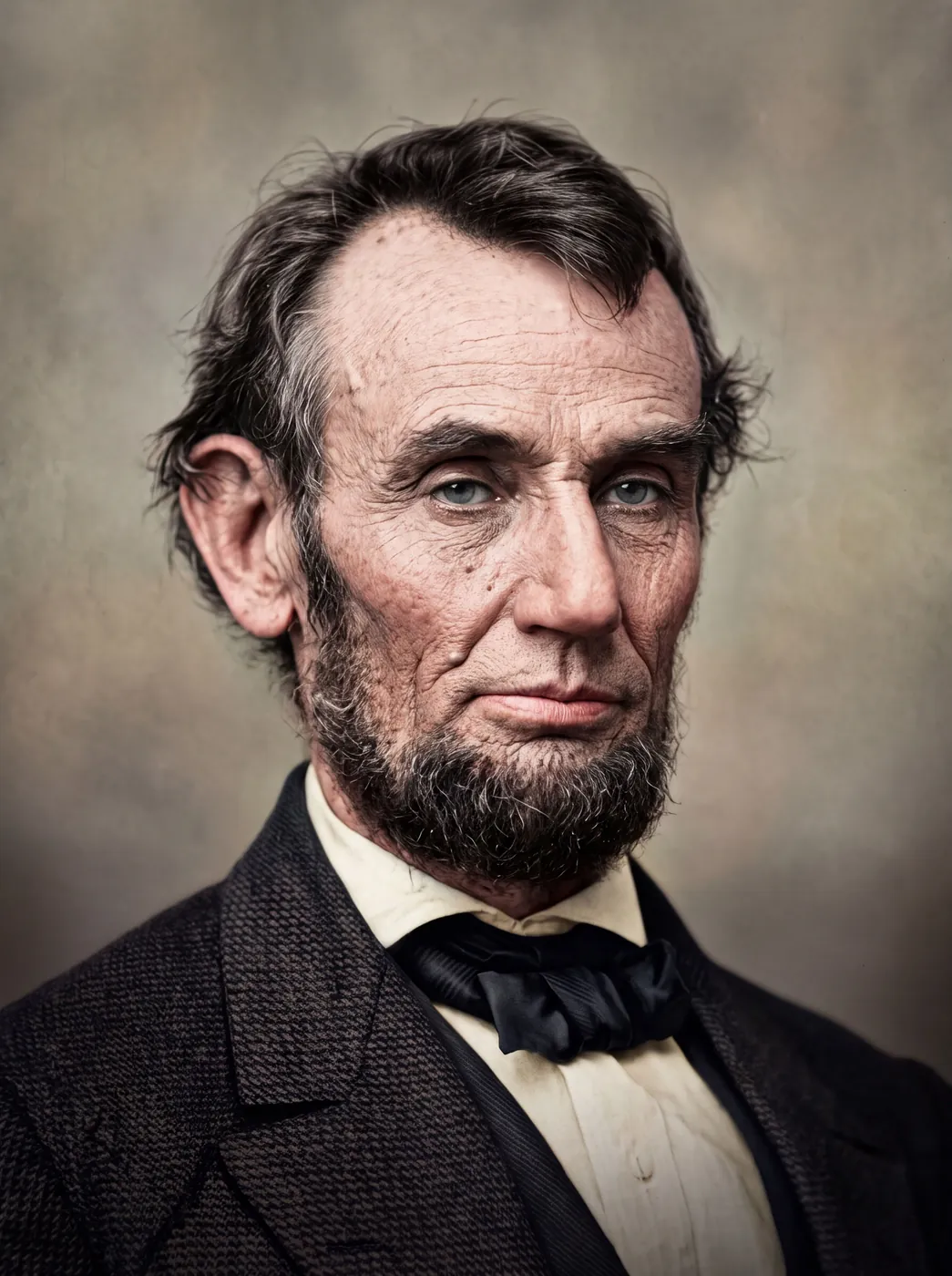
This print is real, but it is not a photograph of Abraham Lincoln: according to the Library of Congress record, it photographs an engraving based on Anthony Berger’s photograph of February 9, 1864, and the Library notes that such copies are often mistaken for prints of the original photograph. The color version is not a restoration of it either: the model returned a photo-like portrait with detail the engraving does not have. We keep the page as a warning; compare the result with the Library’s scan on this page.
What the Library of Congress record says
The Library of Congress catalogs the print as “Lincoln” and dates it “[between 1865 and 1880]”. The record describes the item as “1 photographic print on carte de visite mount : albumen”; the Library’s digital file is LC-DIG-ppmsca-23729.
The record notes: “Title from item.” “A widely circulated carte-de-visite photo-copy of an engraved portrait based on Berger's camera study, often mistaken for a print of the original photograph. (Source: Ostendorf p. 177)” “Photograph of reproduction of engraving based on photograph by Anthony Berger, taken February 9, 1864, showing Abraham Lincoln as head-and-shoulders portrait, facing right.”
The record names neither a photographer nor a publisher. The rights statement reads “No known restrictions on publication.”
What the model did with the engraving
The image was generated with Gemini nano-banana 2.1 through our lab — a different image model from the one behind the restoration tool on this site — using the same analysis and instructions as that tool, in one attempt.
The result does not stay close to the print. The model enlarged the face in the frame, replaced the plain card with a gray backdrop and drew skin, wrinkles, hair and eyes in photographic detail that the engraving does not have. Read it as the model’s picture of Abraham Lincoln, not as a restored copy of this print or of Anthony Berger’s photograph.
The color is inferred by the model, and the black-and-white “Restored” view was made in our lab from the color result. If a family picture is a drawing, an engraving or a painted portrait, compare the result with the original closely before you trust it.
Questions about this photo of Abraham Lincoln
Is this a real photo of Abraham Lincoln?
No. The print itself is real — it is at the Library of Congress, cataloged as “Lincoln” and dated “[between 1865 and 1880]” — but it photographs an engraving based on Anthony Berger’s photograph of February 9, 1864, not Abraham Lincoln in person. The color version is the model’s photo-like picture, not a restoration of the print.
Who took this photo of Abraham Lincoln?
The record names no photographer and no publisher for this copy. The engraving it reproduces was based on a photograph by Anthony Berger, taken February 9, 1864.
Are the colors accurate?
No one can know them from this photograph. The print recorded light and shadow, not hue; two different colors can come out as the same gray. The color version is a plausible reconstruction, not evidence.
Can I restore a family photo like this?
Yes. Upload a scan or a phone photo of the print. When the result is back, hold the photograph to see your original, so you can compare before deciding whether to keep it.
Have an old photo like this at home?
Upload a scan or a phone photo of the print and, when the result is back, compare it with your original before you decide whether to keep it.
Free during early access · 2 restorations a day
Used only to restore your photo. How we handle your photo
Left alone on purpose
The pose and the clothing. The framing, the background and the detail of the face are the model’s, not the print’s. We did not add names, places or dates that the catalog record does not give.